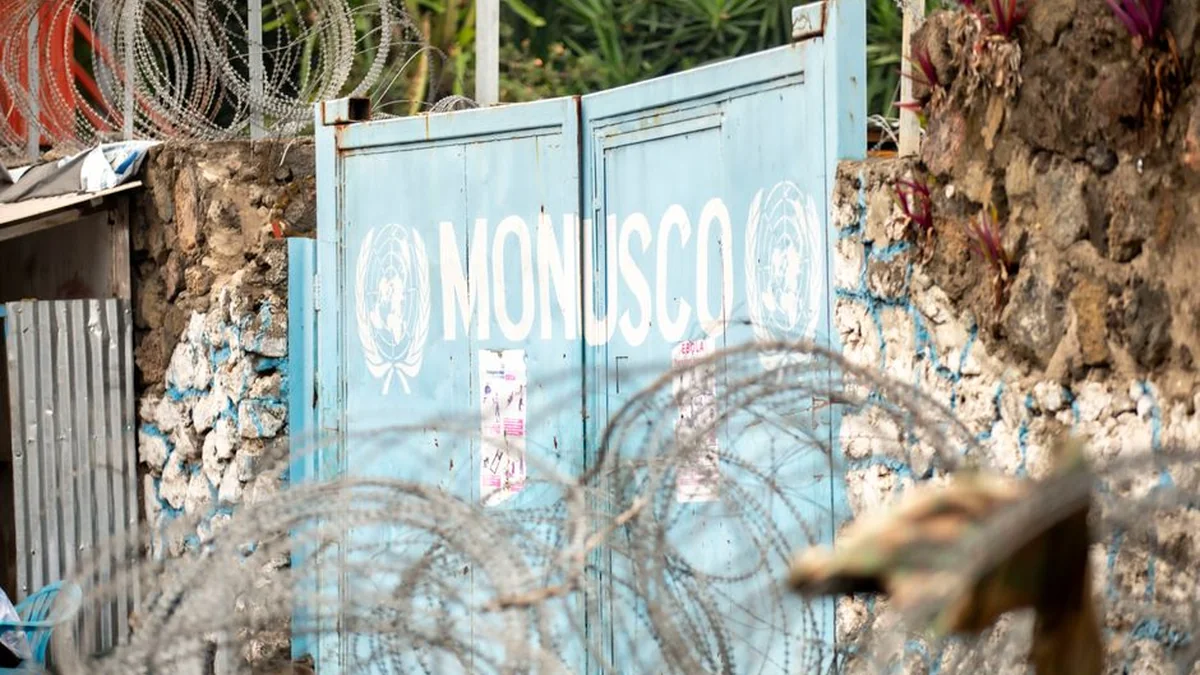
The ongoing ebola outbreak in the Democratic Republic of the Congo (DRC) presents significant public health challenges, with experts suggesting that current reported figures likely underestimate the true scope of the crisis due to unrecorded or unrecognized infections. Speculation points toward potential undetected spread within East Congo during the spring months. The epidemic’s response is further complicated by the volatile security environment, including ongoing conflicts with armed groups, and a prevalent lack of trust directed toward international aid workers.
Currently, the virus has been identified across five of the nation’s 26 provinces, affecting a population of approximately 116 million people. The outbreak’s epicenter has been localized to the northeastern Ituri province, which shares borders with Uganda and South Sudan. Furthermore, Uganda has also reported instances of Ebola, with two documented fatalities.
Ebola fever is recognized as a severe, life-threatening illness. The virus transmits through physical contact and contact with infected body fluids. Clinical manifestations of the disease include high fever, nausea, and the risk of severe internal bleeding.
The combination of a complex epidemiological situation, geographical instability, and public mistrust necessitates heightened international attention to contain the spread.
Topics: #ebola #outbreak #congo