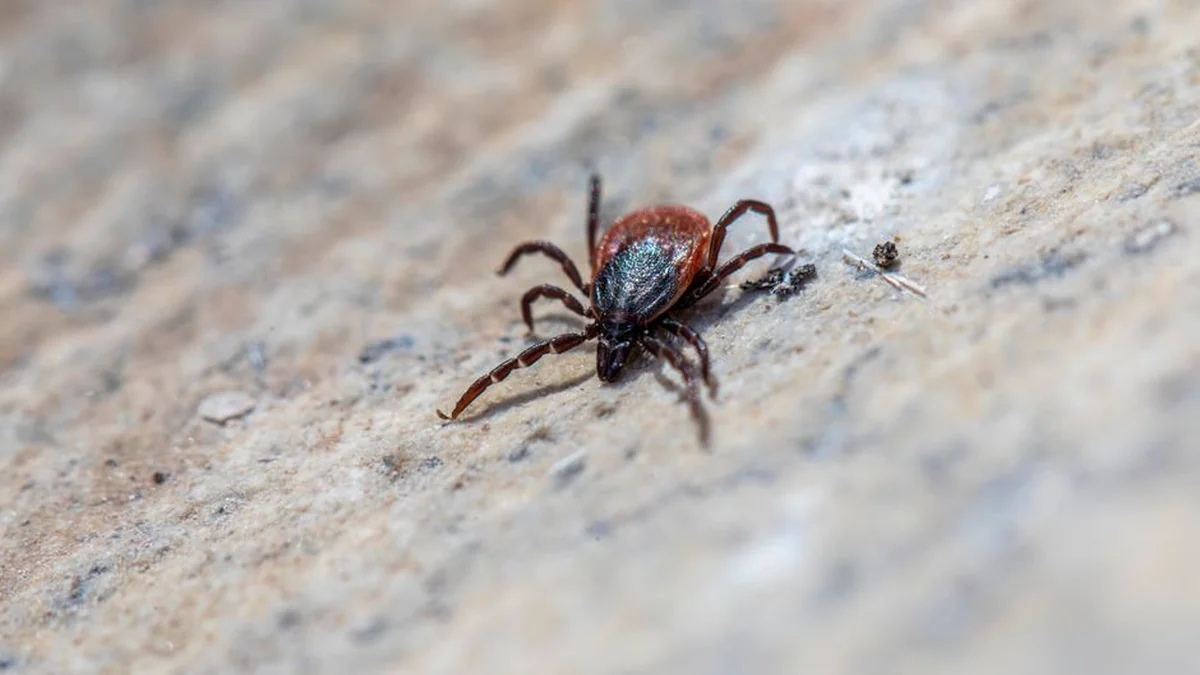
The risk associated with tick-borne diseases is notably high in certain regions, such as Lithuania, where the incidence of tick-borne encephalitis ranks among the highest in Europe. For detailed information regarding this condition, its transmission pathways, health implications, and preventative measures, resources are available through the press office of the Kaunas University of Medicine Hospital. Public health awareness must address the extended nature of the tick season.
While many associate tick activity with spring, their life cycle commences as soon as ambient temperatures rise and can persist through late autumn. Increased activity is observed when average daily temperatures reach the 5–7°C range, necessitating continuous vigilance from the public. Specialists caution that climate change is contributing to a lengthening of this active period, meaning the potential for human exposure to ticks remains elevated for much of the year.
The National Center for Public Health emphasizes that tick-borne encephalitis is a serious illness capable of causing long-term neurological consequences. Understanding the nature of the infection and the means of prevention is crucial. Proper precautions are essential to minimize the risk of contracting a disease transmitted by a tick.
Given the potential severity of the resulting encephalitis, adopting consistent preventative measures when encountering ticks is strongly advised by health authorities.
Topics: #tick #borne #encephalitis