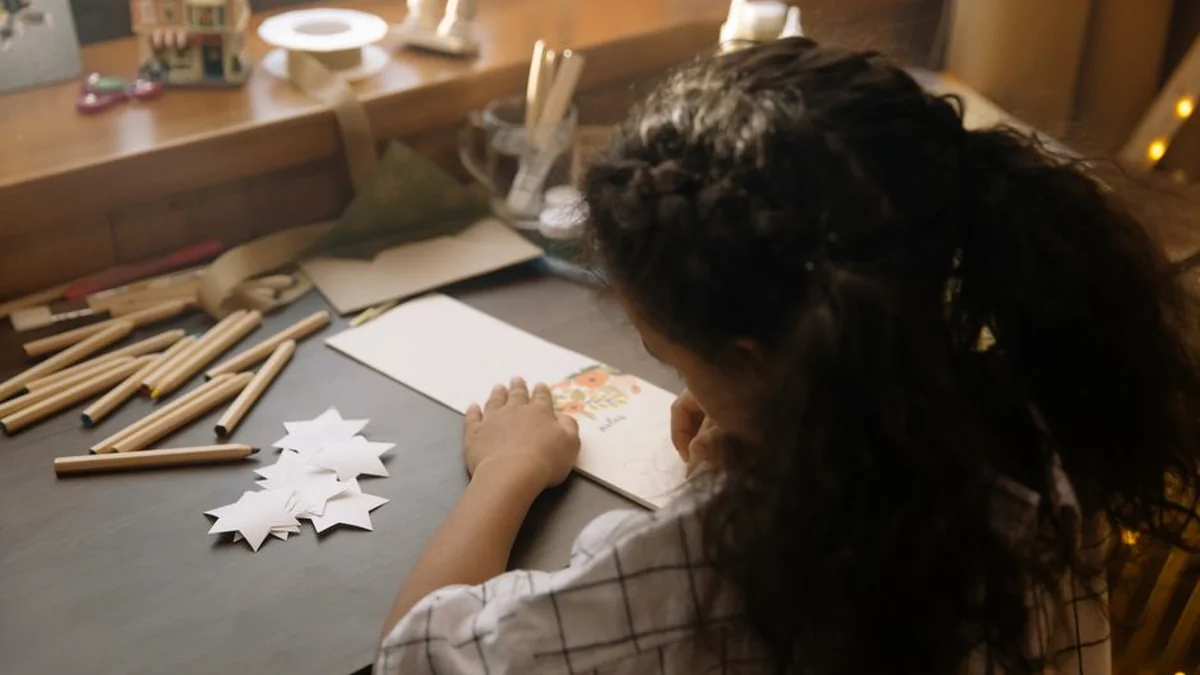
When selecting a writing desk for a child, experts advise prioritizing functionality over aesthetic considerations such as color, design, or storage capacity. According to Alina Kazakevič, communication manager at online store Walre, the primary focus should be on ensuring the desk supports the child’s actual workspace needs. The furniture must be appropriately sized and at the correct height to allow the child to sit comfortably while engaging in activities like reading, writing, and completing tasks without discomfort or the need to constantly adjust their posture.
Kazakevič cautions that while a small, aesthetically pleasing desk might appeal to parents, its utility often diminishes rapidly. She notes that what appears sufficient for a first grader—a cozy, compact setup—quickly becomes inadequate once the demands of school life arrive. The accumulation of necessary materials, including textbooks, notebooks, writing utensils, a tablet, or a computer, along with essential items like a desk lamp, can quickly overwhelm a limited surface area.
Therefore, the dimensions and ergonomics of the writing desk are more critical than its visual appeal. A desk that forces the child into an awkward or uncomfortable position will impede focus and productivity, regardless of how well it matches the room’s decor. Selecting a piece of furniture that supports proper posture and provides adequate room for necessary supplies is key to creating an effective study environment for the child.
Topics: #child #desk #writing