Lawyer Raimonda Joskaudienė provided detailed legal guidance regarding resident entitlements following interruptions to the electrical supply, particularly in the aftermath of severe weather events. She emphasized that when seeking financial remedies, it is legally crucial for residents to distinguish between two distinct types of claims: first, special compensation related to the untimely transmission of electricity service; and second, direct compensation for specific property damage or personal injury. She clarified that these two categories of damages are governed by separate legal requirements.
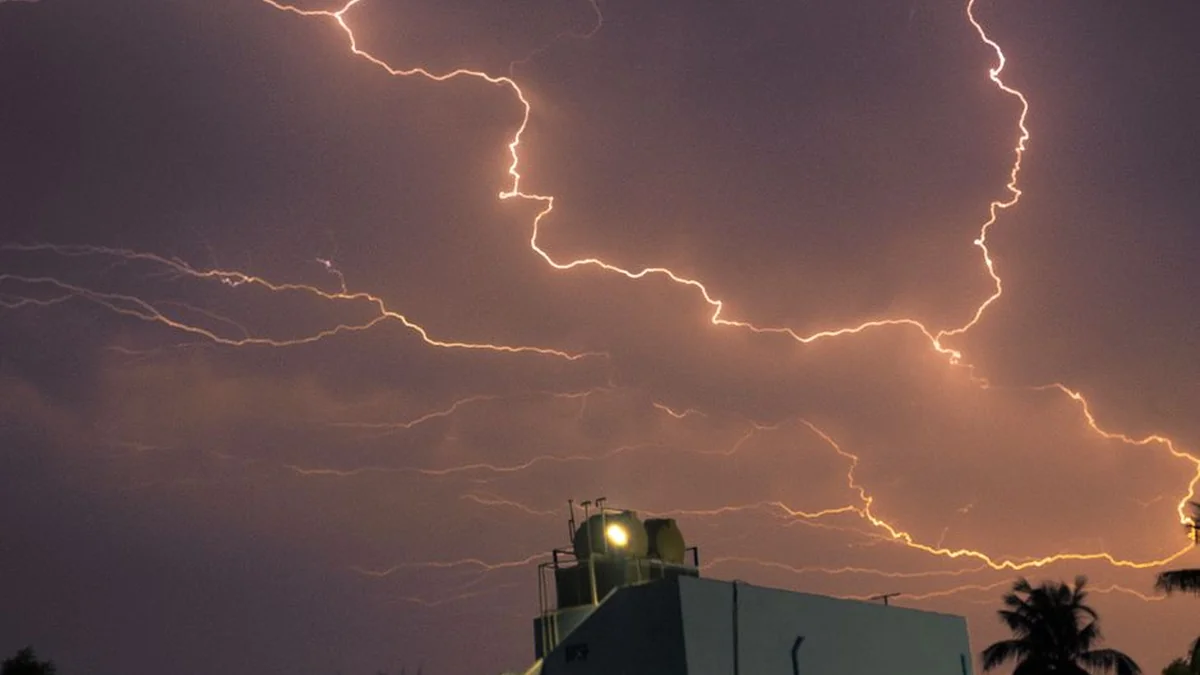
A key point of law addressed was the application of the “72-hour rule.” This specific regulation becomes relevant when an interruption to the electricity supply is directly attributable to natural phenomena. Such causes include, but are not limited to, severe storms, hailstorms, thunderstorms, freezing conditions, sleet, or flooding. The guidance stressed that the scope of available compensation depends entirely on the nature of the loss claimed.
While the recent storm caused widespread damage, including fallen trees and damaged roofing, residents must understand the specific legal basis for their claim. To successfully defend one’s rights regarding any potential compensation, the preservation of evidence is paramount. Residents are advised to meticulously document all damages and maintain records pertaining to the duration and cause of the electricity outage.
By understanding this legal differentiation, individuals can better navigate the process of claiming appropriate compensation for service failures or physical property loss.
Topics: #compensation #electricity #storm