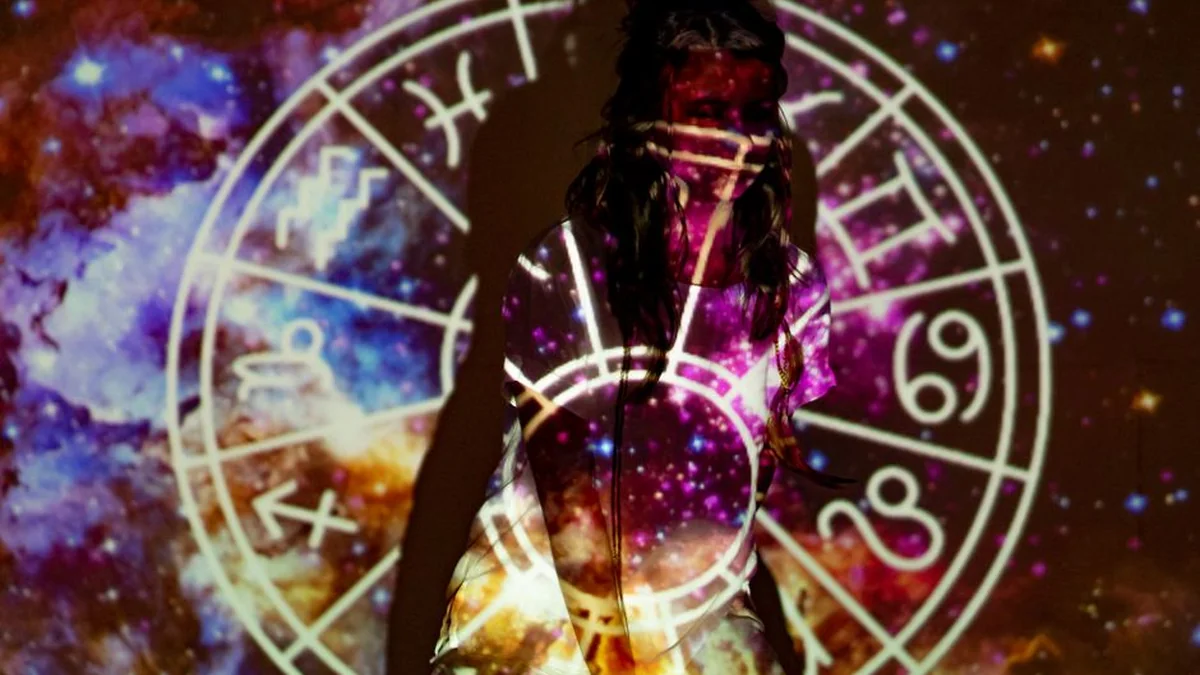
Analysis of predictive media trends suggests a growing public interest in astrological forecasting, particularly as the year nears its conclusion. Several outlets have published analyses detailing how traditional media intersects with personalized, speculative content. According to a recent academic source, consumer interest in horoscopes has shown measurable peaks throughout the autumn months, suggesting a cyclical pattern of reliance on predictive narratives.
As December approaches, the frequency and depth of articles related to zodiac predictions are expected to increase. This surge is often correlated with seasonal shifts in consumer behavior, where uncertainty can drive engagement with speculative forms of entertainment. Historically, media analysis has noted that the integration of generalized life advice with specific astrological signs allows publications to tap into a broad demographic while maintaining a veneer of expert authority.
The market for “celestial guidance” has expanded beyond traditional astrology, incorporating elements of psychological self-help and personal development. Experts suggest that this trend reflects a broader cultural need for structure and reassurance during times of economic or social flux. When analyzing these patterns, researchers advise consumers to treat astrological content as entertainment rather than definitive guidance.
Furthermore, the reliability of information presented by various sources is increasingly scrutinized. The line between genuine psychological reporting and purely speculative horoscope reading remains blurred for the general reader. For those seeking accurate information, cross-referencing multiple credible academic or journalistic sources is recommended.
This careful approach helps maintain a critical distance from sensationalized predictions, ensuring that personal decision-making remains grounded in verifiable data rather than seasonal celestial forecasts.
Topics: #source #december #horoscope