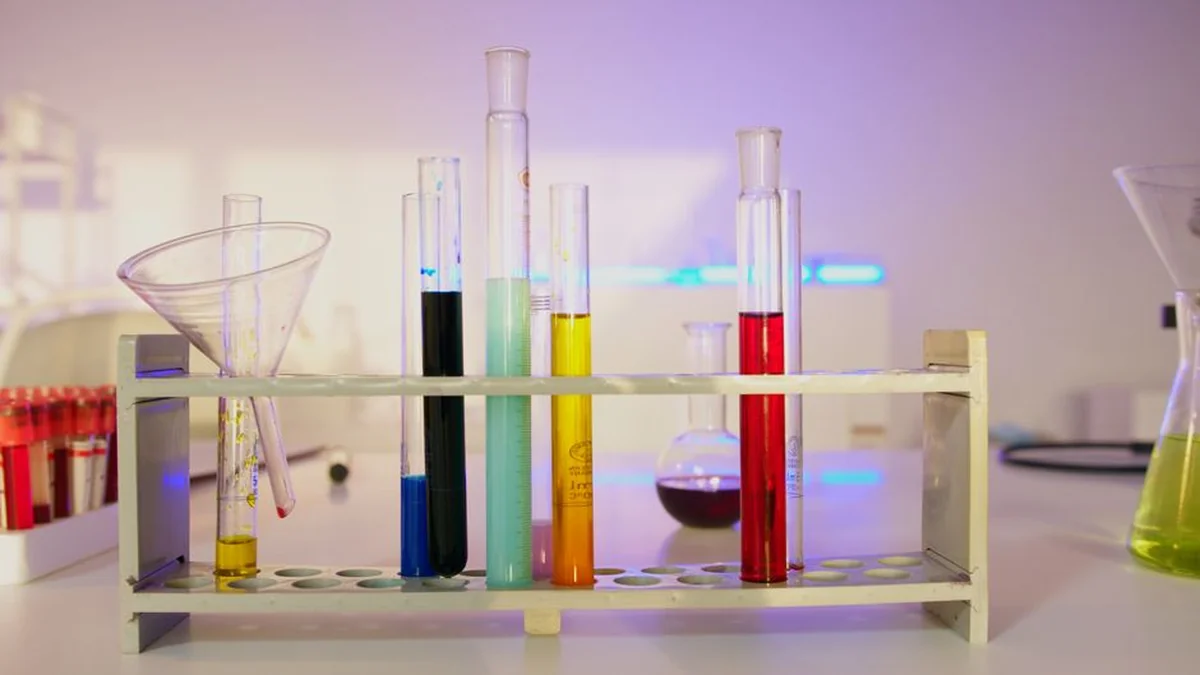
Laboratory medicine is currently recognized as one of the most critical and rapidly evolving sectors within healthcare. Concurrently, it faces a significant challenge in Lithuania regarding the availability of specialized professionals. Dr.
Ingrida Pumputienė, who heads the Medical Technology and Dietetics department at Vilnius College (VIKO), noted that there are widespread misconceptions about the nature of work conducted in a modern laboratory. She explained that the public perception of a laboratory often remains rooted in outdated imagery—associating the field primarily with white coats, test tubes, and manual examination under a microscope. However, Dr.
Pumputienė emphasized that the reality of the profession has shifted considerably. In today’s setting, the workflow involves substantially more advanced technology than traditional microscopy. Instead of spending the majority of time at a microscope, modern laboratory professionals frequently operate sophisticated analyzers and manage complex data through computer systems.
This technological shift underscores the increasing reliance on advanced diagnostics. Furthermore, the field’s importance is highlighted by prevailing public health concerns, such as the high prevalence of obesity in Lithuania, which has surpassed 25% and is noted as the most common chronic disease following urinary tract infections. These trends underscore the dynamic role that modern laboratory science plays in managing national health challenges.
Topics: #laboratory #most #today