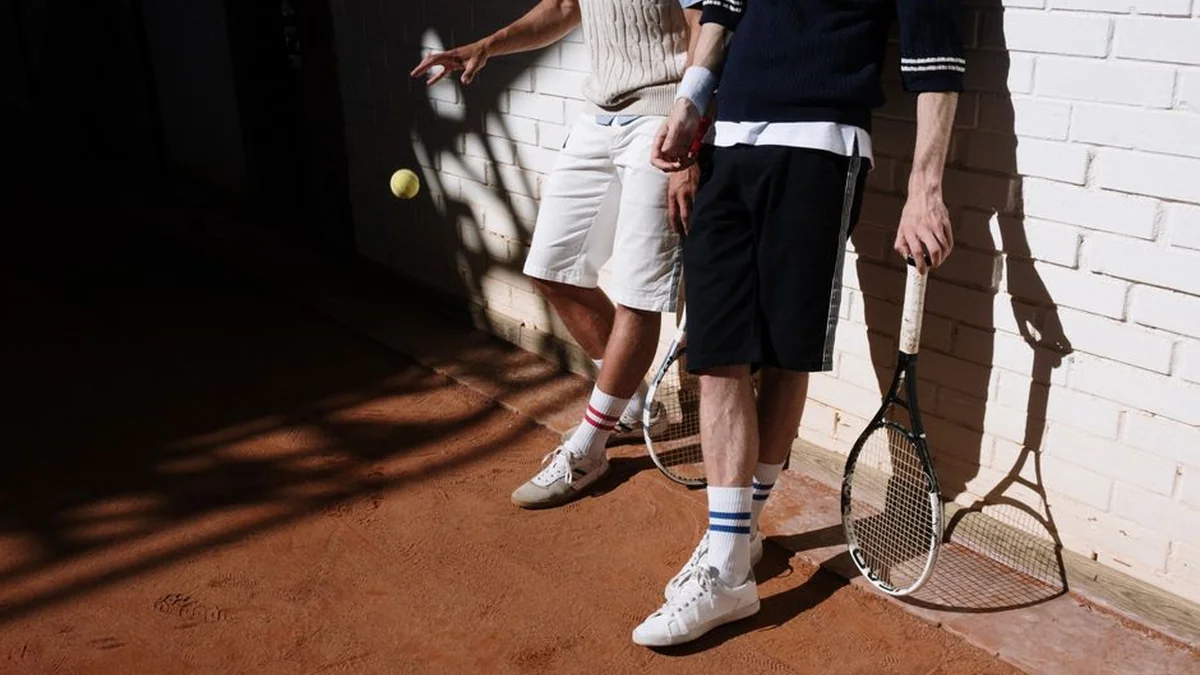
Recent data concerning non-formal education in Lithuania indicates a distinct trend regarding youth participation. Analysis suggests that while sports activities are the most popular choice for children engaging in extracurricular learning, maintaining sustained participation becomes increasingly challenging as students advance in age. According to data from LINEŠA, in 2025, the most utilized funding program direction for non-formal education in Lithuania was sports.
This area represented 48.3% of the total pupils participating in targeted funding programs. Following sports, other popular fields included choreography and dance, technical creativity, information technology, and citizenship education. While these figures represent a statistical snapshot of the most popular clubs, they also offer insights into the broader educational landscape.
The sustained appeal of sports appears to stem from its highly visible and easily understood structure. For parents, the activity provides tangible metrics of progress: physical improvement, adherence to a routine, team dynamics, and structured coaching. The preference for sports over other non-formal pathways suggests that its immediate, observable benefits resonate strongly within the community.
This pattern highlights the role that tangible, physical activities play in the initial engagement of children in supplementary learning outside the standard formal curriculum. The data, therefore, points toward a continuing strong demand for structured physical development alongside academic enrichment.
Topics: #sports #non #formal