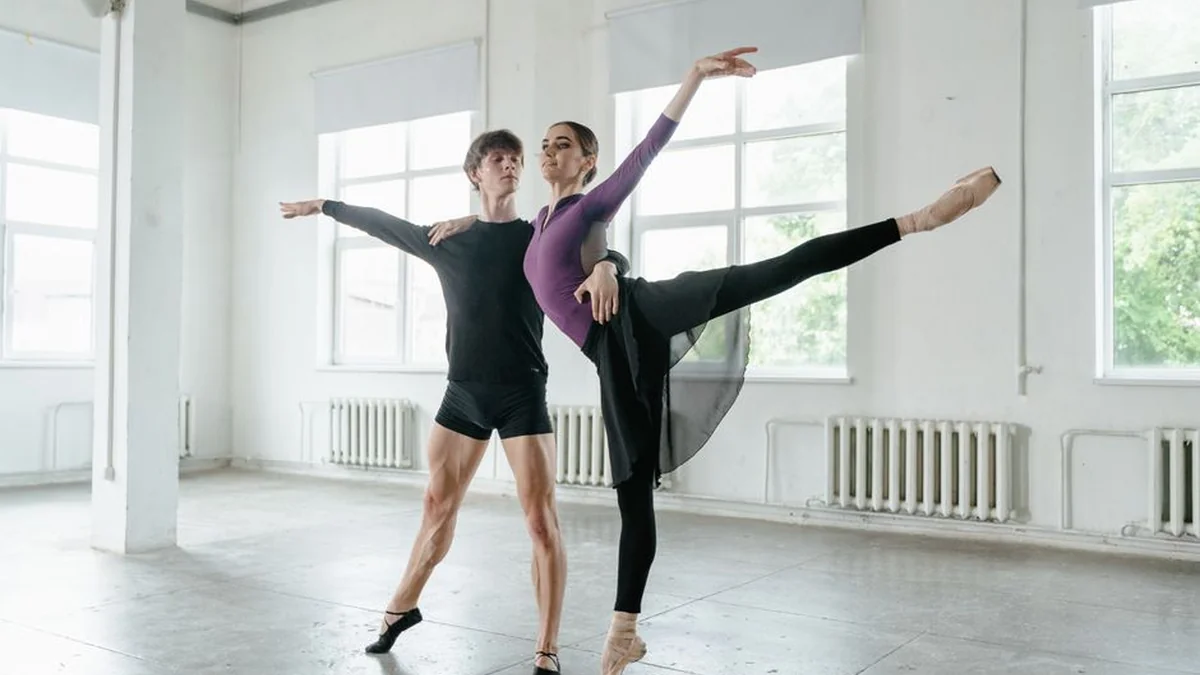
Professional ballet requires a diverse and highly adaptable skillset from its artists. Modern dancers must navigate significant stylistic transitions, moving fluidly between classical repertoire and contemporary works, or shifting between vastly different choreographic vocabularies. To meet these elevated artistic standards, ballet companies are increasingly integrating modern resources and advanced training methodologies into their educational frameworks.
Learning from international advancements, Jurgita Dronina, the head of ballet art at LNOBT, noted a growing global trend toward incorporating health and sports science into the discipline. She pointed to prominent institutions, such as the Royal Ballet in London, the Australian Ballet, and the Dutch National Ballet, as examples of troupes making significant strides in this integration. Dronina emphasized that there is a continuous and increasing exchange of knowledge and experience among professional ballet artists worldwide.
This commitment to learning is driving innovation within the sector. The focus is shifting toward holistic athlete care, ensuring that the physical demands placed on the dancers are supported by rigorous scientific understanding. This proactive approach reflects the commitment of leading companies to support their professional artists.
By actively participating in the exchange of knowledge, the industry aims not only to maintain high artistic standards but also to enhance the longevity and physical well-being of its performers. The integration of sports science into ballet training represents a critical evolution in how professional ballet companies prepare their artists for the multifaceted demands of the modern stage.
Topics: #ballet #artists #professional