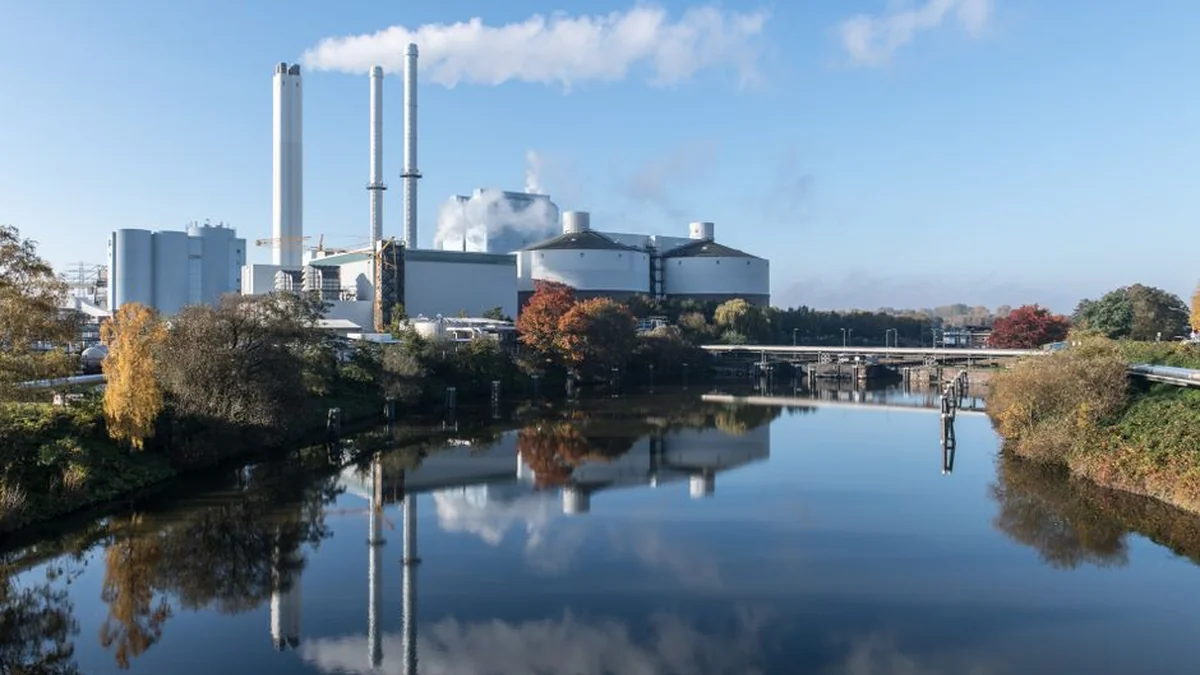
The revitalization of the Palanga Heat Plant serves as a notable example of how long-term municipal investment can yield tangible operational results. Ten years ago, the resort municipality successfully reclaimed the management of the heat plant from a private operator, transferring its oversight to the municipal entity, Palanga Heat Networks. At the time of this transition, the decision faced considerable skepticism regarding the municipality’s capacity to effectively manage such a complex piece of infrastructure.
Today, however, the outcomes speak for themselves, allowing for an assessment based on actual performance rather than mere projections. This strategic decision is viewed by local leadership, including the Mayor of Palanga, Šarūnas Vaitkus, as one of the most significant milestones in the city’s modern history. The shift in management structure has stabilized the critical supply of heat for the community.
By bringing the essential services under direct municipal control, the city has reportedly achieved greater sustainability and reliability in its energy provision. This case demonstrates a successful model where municipal governance directly impacts the viability and efficiency of core public utilities. The sustained management of this large-scale plant by the municipality underscores a commitment to local infrastructure resilience, transforming an area of former private operation into a model of public-sector success.
Topics: #heat #municipality #plant