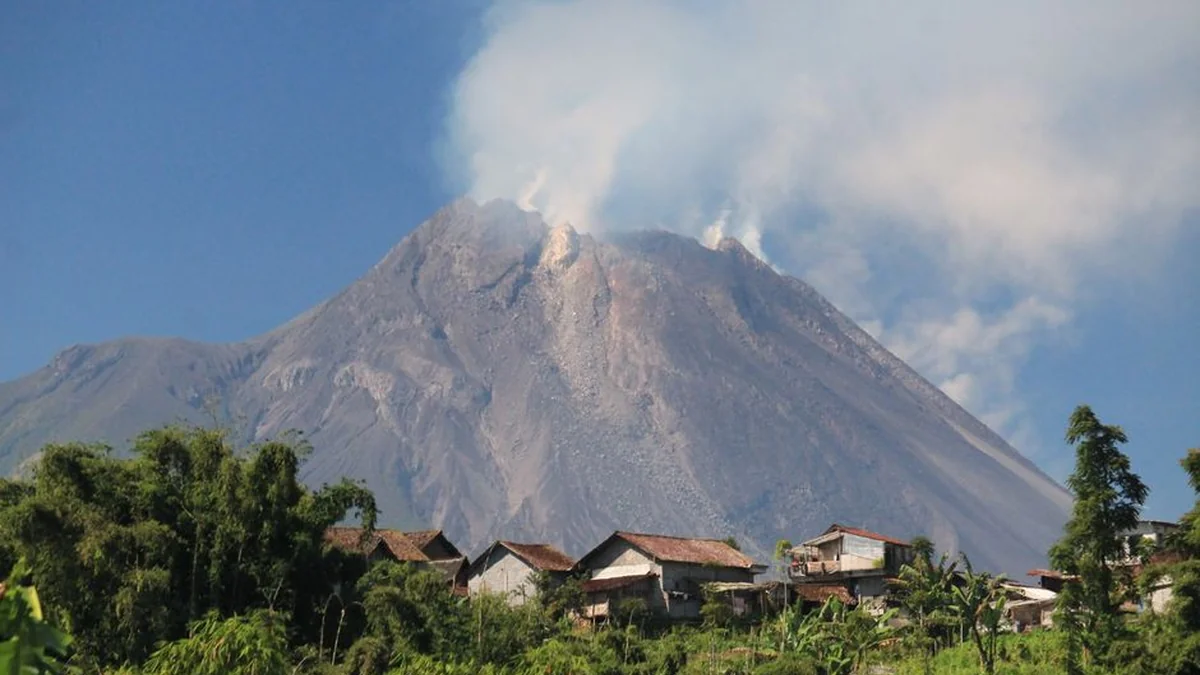
The eruption of Sinabung, one of Indonesia’s most active volcanoes, reportedly lasted for at least an hour, according to the Center for Volcanology and Geological Hazard Mitigation (PVMBG). Authorities have confirmed that there were no reports of casualties associated with the event. Currently, Sinabung remains at Level Two under the Indonesian four-level volcanic warning system.
In light of the ongoing activity, local authorities have issued specific advisories. Residents, visitors, and tourists are strongly cautioned to maintain distance from villages that have been previously relocated due to volcanic hazards. Furthermore, exclusion zones have been established, advising people to stay away from areas situated within 3 km of the volcano’s summit and 4.5 km from its southeastern flank.
The geographical context highlights the inherent risks associated with the region. Indonesia, an archipelago comprising over 17,000 islands situated within the volatile “fire ring” of the Pacific Ocean, hosts an exceptionally high concentration of geological activity. The nation is home to approximately 120 active volcanoes, surpassing the count of any other country.
This dense concentration of geothermal and seismic activity makes monitoring volcanoes like Sinabung a critical public safety concern for Indonesia.
Topics: #sinabung #volcano #indonesia