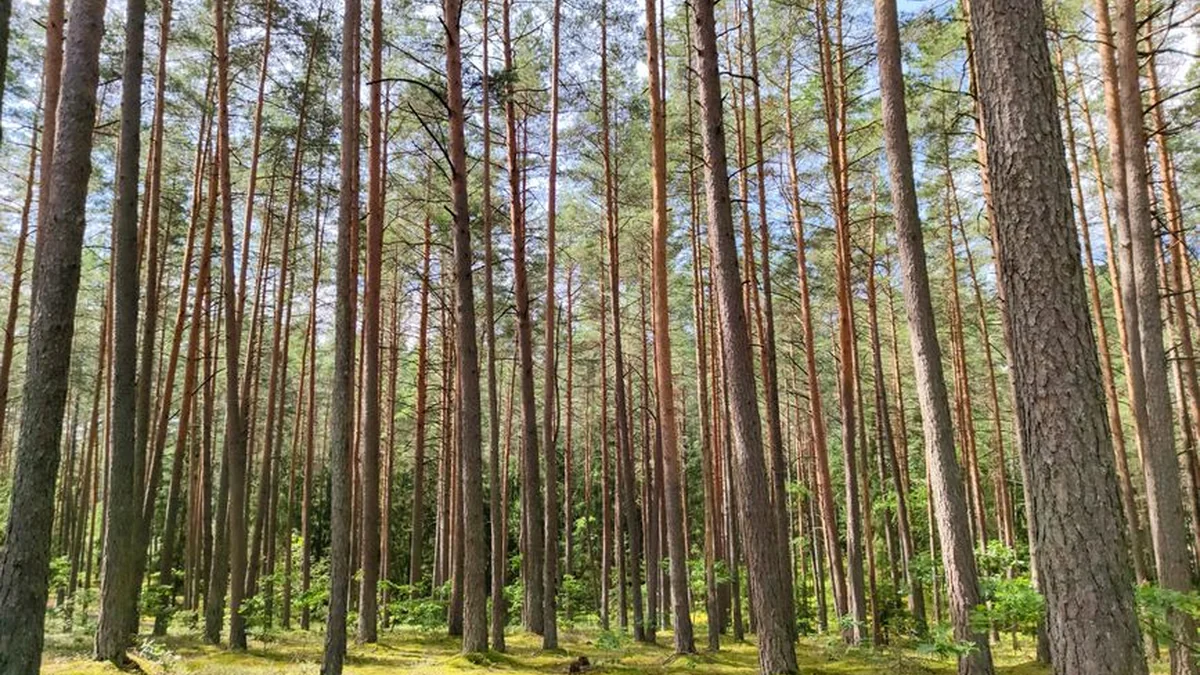
An overview of the state of forest resources and protection indicates that forest cover currently accounts for 33.91% of Lithuania’s territory, which is below the European Union average of 39%. Addressing this gap requires comprehensive strategies that integrate conservation with sustainable development. According to State Controller Irena Segalovičienė, efforts to expand forest acreage must be paired with robust measures to enhance the forest’s resilience against the impacts of climate change and to actively protect local biodiversity.
“In order to achieve ambitious forestry goals, we must ensure that the forests being formed are resistant to climate change, effectively protect biodiversity and at the same time create long-term value for the state,” I. Segalovičienė stated in a formal declaration. The statement underscores a multi-faceted approach necessary for the future management of Lithuania’s natural assets.
Simply increasing the physical area covered by forest is insufficient; the quality and ecological robustness of these woodlands must also be prioritized. This suggests a shift in focus toward adaptive forestry practices that account for climatic variability. Furthermore, the necessity of safeguarding biodiversity within these woodlands is highlighted as integral to achieving sustainable outcomes.
By weaving climate adaptation measures, biodiversity protection, and economic value creation into a unified policy framework, Lithuania aims to strengthen its national forest resources. This integrated strategy is crucial for ensuring the long-term viability of the country’s forest ecosystems.
Topics: #forest #lithuania #achieve