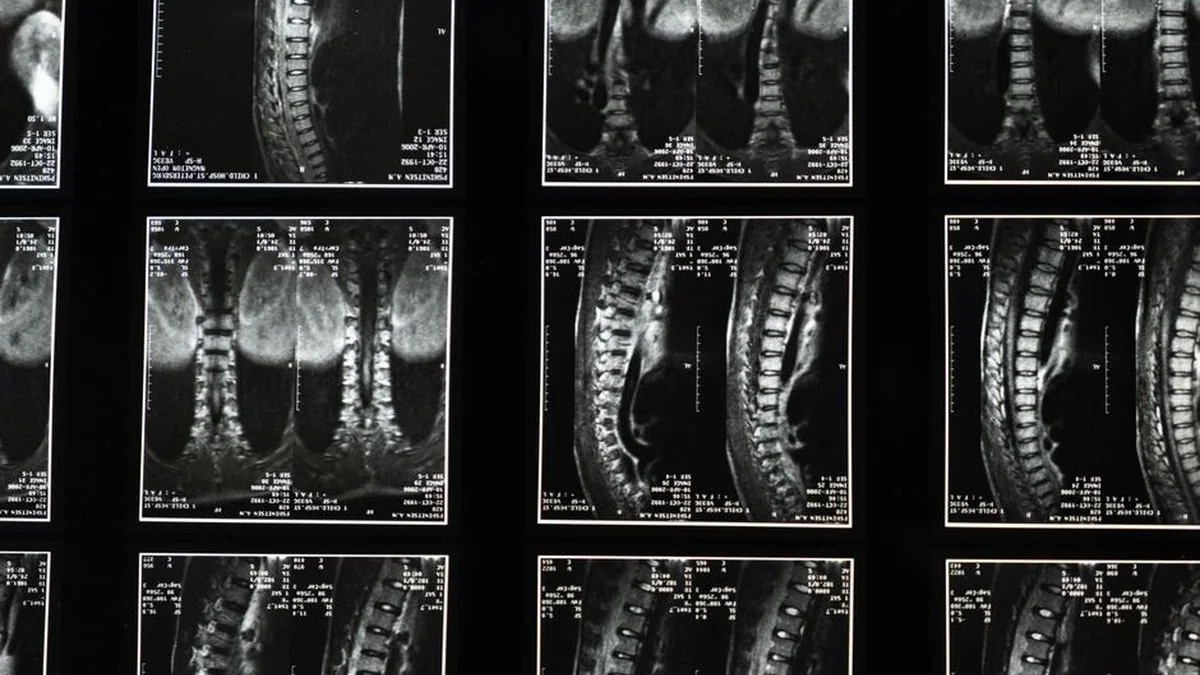
According to physical therapist Kristijonas Jarušaitis, the current approach to managing scoliosis requires a highly targeted strategy utilizing individually selected exercises. He notes a significant evolution in the understanding of spinal curvature management. Historically, the protocol often dictated that minor scoliosis required mere monitoring, moderate cases necessitated bracing with a corset, and significant deformations were considered candidates for surgical intervention.
Furthermore, physical activity related to scoliosis was often viewed as general conditioning rather than a specialized treatment component. However, recent scientific research has shifted this paradigm. Experts now recognize that individually tailored, specific exercises constitute a vital component of conservative treatment plans for scoliosis.
Jarušaitis emphasizes that effective treatment planning must be comprehensive, evaluating the patient’s overall clinical picture. The decision-making process regarding the timing and intensity of intervention—or when specific therapies are needed—is multifaceted. Key variables influencing this treatment plan include the Kobo angle, a measurement of spinal deformation derived from X-rays, the patient’s chronological age, and the assessment of remaining growth potential.
Therefore, the focus has moved toward integrating specialized physical therapy that directly addresses the unique biomechanical needs of the individual, rather than relying solely on generalized care. This updated methodology aims to maximize the effectiveness of non-surgical management for scoliosis.
Topics: #scoliosis #when #physical