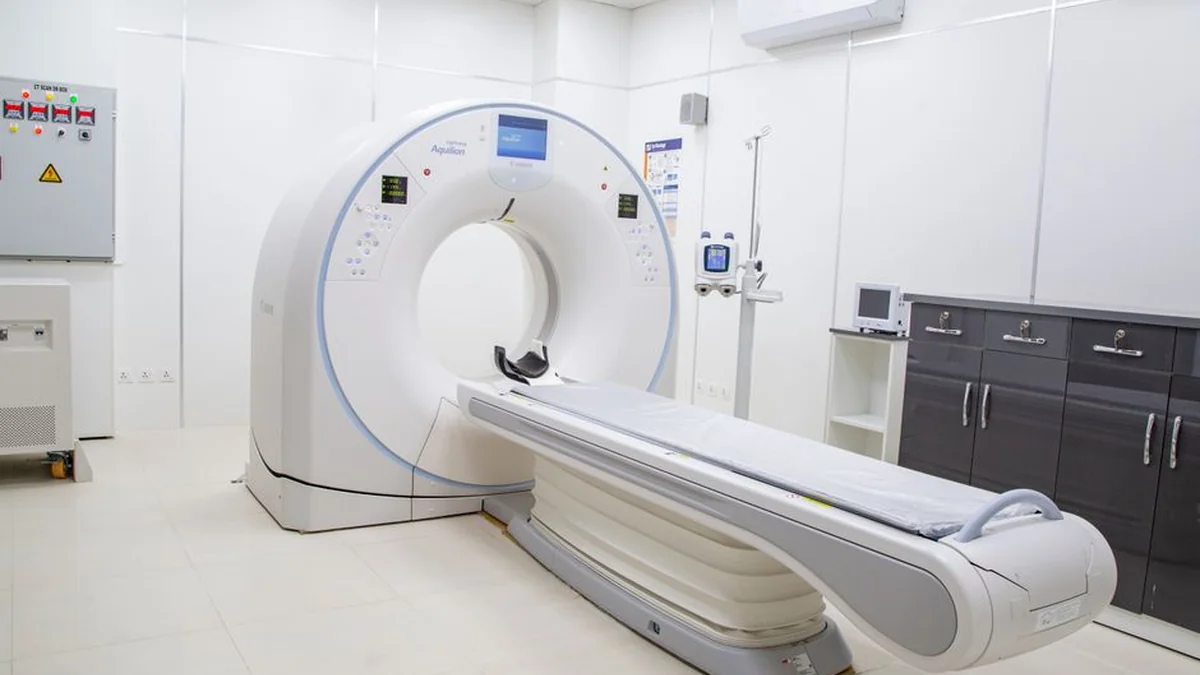
Over the last two decades, European Union funding has played a critical role in the modernization of European health systems. These substantial investments have facilitated significant improvements across numerous sectors, including the upgrading of hospital infrastructure, the acquisition of advanced medical equipment, the expansion of available services, and the enhancement of specialist competencies. Hospital representatives note that the impact of EU funding extends beyond tangible assets like buildings or machinery.
Instead, these improvements are evident throughout the entire spectrum of patient care, from initial consultations to the provision of the most complex treatments. The transformation within healthcare facilities, they argue, is fundamentally centered on optimizing the patient’s overall journey. Vaida Karalevičienė, a communications specialist at Panevėžys Regional Hospital, highlighted this shift in focus.
She stated that the influx of EU funds has been instrumental in helping the Lithuanian health system align itself with higher international standards of personalized patient care. The modernization effort, supported by these financial resources, addresses systemic needs. By improving infrastructure and equipping facilities with state-of-the-art technology, the system aims to ensure that care delivery is both advanced and patient-centric.
These continuous improvements, driven by transnational funding mechanisms, underscore a broader commitment to elevating the quality and accessibility of medical services across the region.
Topics: #equipment #investments #hospital