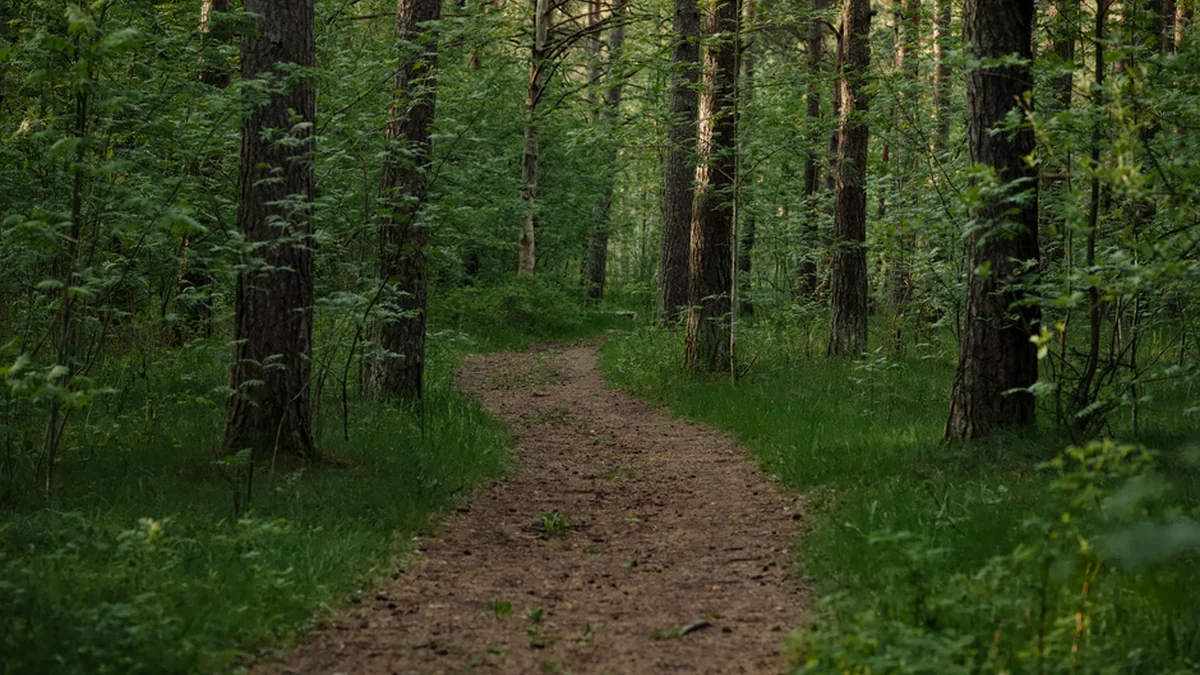
The development project was designed not to transform the natural environment into an urban space, but rather to cultivate opportunities for the public to experience it. Key infrastructural elements included the careful planning of walking paths, which followed established routes used by the local population. To accommodate wet areas, raised paths were installed, and a dedicated, tranquil zone was established around the pond specifically for walking, learning, and general recreation.
The park’s primary distinction lies in its successful integration of urban recreational amenities alongside the critical preservation of natural ecosystems. The resulting mixed landscape encompasses marshy coastal areas, diverse aquatic vegetation, and varied habitats supporting local bird and animal populations. To ensure accessibility and usability for diverse groups, new infrastructure has been implemented.
This includes universally accessible paths, featuring grooves for individuals with disabilities, along with integrated lighting, waterfront terraces, and dedicated children’s play and sports zones. Informative signage further enhances the educational aspect of the visit. Crucially, the formation of the park was collaborative; the design was adjusted based on direct feedback and contributions from local residents.
This commitment to community input ensures that the final space serves both ecological integrity and the daily recreational needs of its inhabitants, allowing for meaningful interaction with nature through thoughtfully constructed paths.
Topics: #nature #paths #recreation