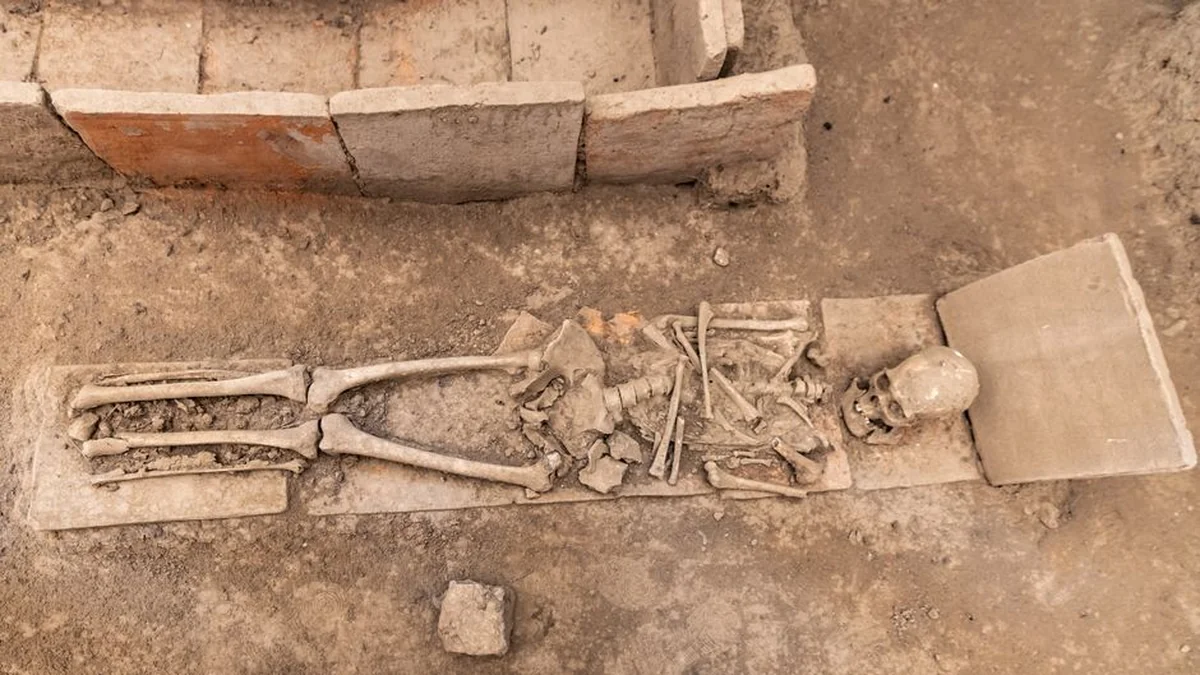
Researchers examining Stone Age human remains have identified evidence of a previously unknown strain of Yersinia pestis, the bacterium responsible for the plague. According to a study published in the journal Nature, the ancient DNA analysis revealed this unique pathogen in over a dozen individuals. The research suggests that the infection, likely pneumonic plague, which afflicted these early hunter-gatherer groups, was most probably transmitted through blowflies.
The disease was particularly devastating to localized populations residing near Lake Baikal. The study provides detailed insights into the pathogen itself. Analysis of ancient DNA from two newly discovered plague strains uncovered a unique gene.
This gene encodes proteins that trigger massive immune responses within the host. Scientists hypothesize that this intense immune reaction may account for the disproportionately high mortality rates observed among children in these ancient communities. These findings significantly advance the understanding of historical epidemic dynamics.
By analyzing the genetic material preserved in the remains, scientists are able to trace the evolution and transmission pathways of severe infectious diseases. The identification of this novel strain offers critical data regarding the virulence and ecological vectors associated with historical outbreaks of plague.
Topics: #found #plague #remains