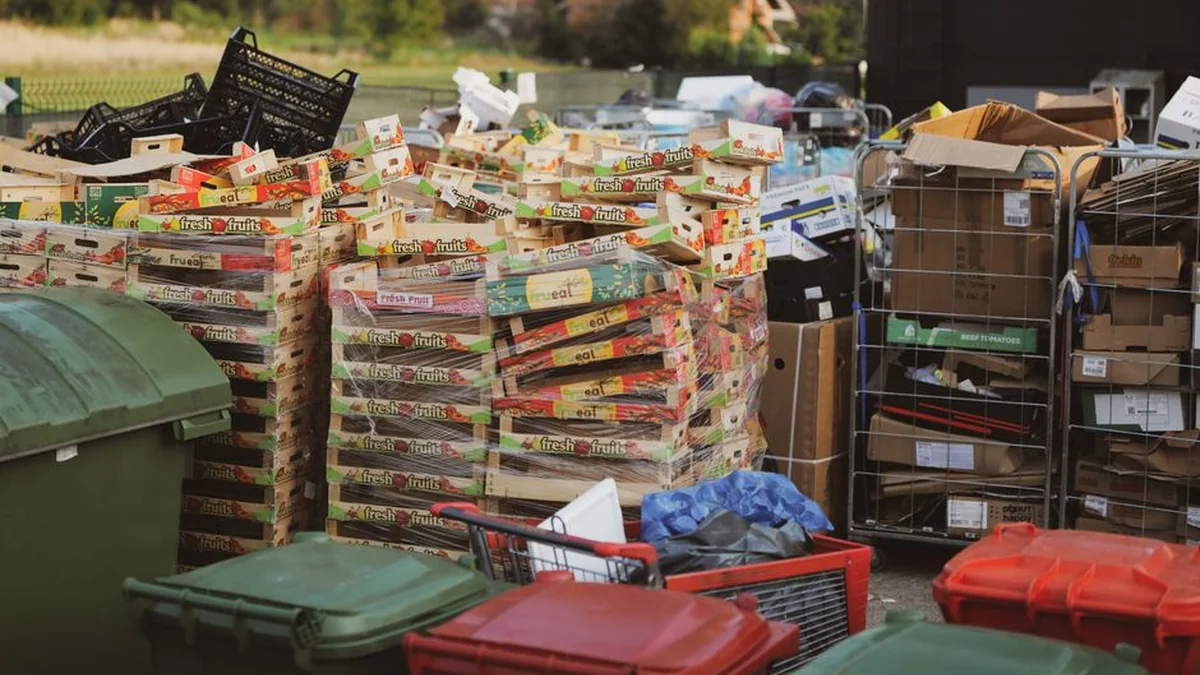
Despite the established sorting infrastructure in Lithuania, public perception suggests that waste sorting remains more symbolic than genuinely integrated into the production cycle. The handling of paper and cardboard packaging, however, demonstrates a clear pathway from collection bins to new products at every stage. As waste is increasingly viewed as a secondary raw material, industry experts emphasize the critical role of proper sorting.
Asta Burbaitė, Marketing and Communications Manager at the Packaging Waste Management Organization “Žaliasis taškas,” notes that even the most advanced recycling technologies are ineffective if the waste has not been sorted correctly or if it is contaminated. The efficiency of recycling processes is directly linked to the quality of the initial sorting. When packaging waste is contaminated or improperly separated, its potential to re-enter the manufacturing stream is significantly reduced, regardless of the technology available.
This situation highlights that while infrastructure exists, the primary bottleneck remains human behavior. The journey of paper and cardboard packaging illustrates the potential for a circular economy, but realizing this potential requires adherence to proper waste management practices at the consumer level. The collection and preparation of this specific type of waste are vital components in ensuring that collected materials can successfully transition from waste streams back into valuable production inputs.
Topics: #sorting #waste #packaging