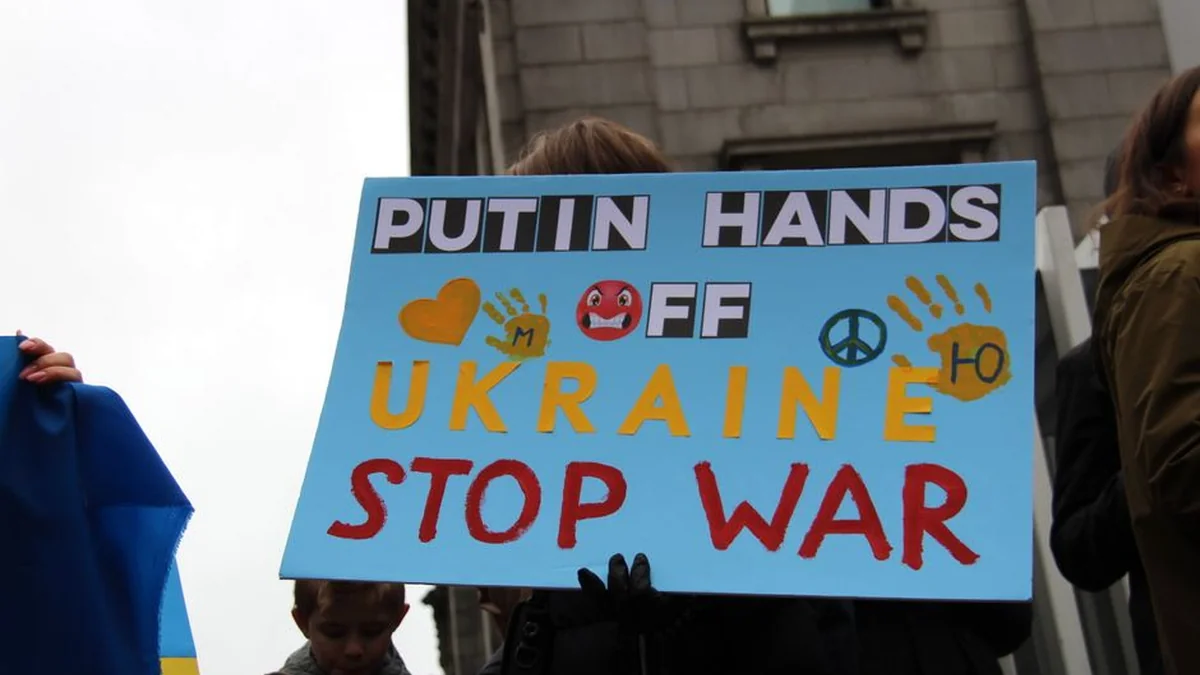
In Sweden, high-level defense officials convened to address pressing geopolitical security concerns. During the meeting, discussions centered on the volatile strategic environment surrounding the Baltic Sea and the ongoing conflict in Ukraine. The meeting involved key military and political figures, including the defense minister, Palu Jonson, who led discussions regarding regional stability.
The security situation in the Baltic Sea remains a primary point of focus for NATO allies and neighboring countries. Given its critical maritime location, the waters are subject to constant monitoring due to shifting geopolitical pressures. Experts and defense ministers emphasized the need for continued robust cooperation among member states to ensure freedom of navigation and maintain regional stability.
Furthermore, the dialogue incorporated a comprehensive review of the security implications stemming from the conflict in Ukraine. This discussion highlighted the interconnected nature of global threats, noting how instability in one region directly impacts the defense posture and economic security of others. The importance of secure maritime corridors, particularly within the Baltic Sea region, was underscored.
Discussions among officials stressed the necessity of coordinating defense strategies and military resources to deter potential aggressors. For regional security to improve, coordinated responses are deemed essential. Such dialogues involving key stakeholders, including figures like Robert Kaunas, underscore the commitment of nations to solidify their collective defense mechanisms and secure vital sea lanes.
The depth of these discussions suggests a sustained focus on strengthening the military and political resilience of the nations bordering the Baltic.
Topics: #kaunas #baltic #sea