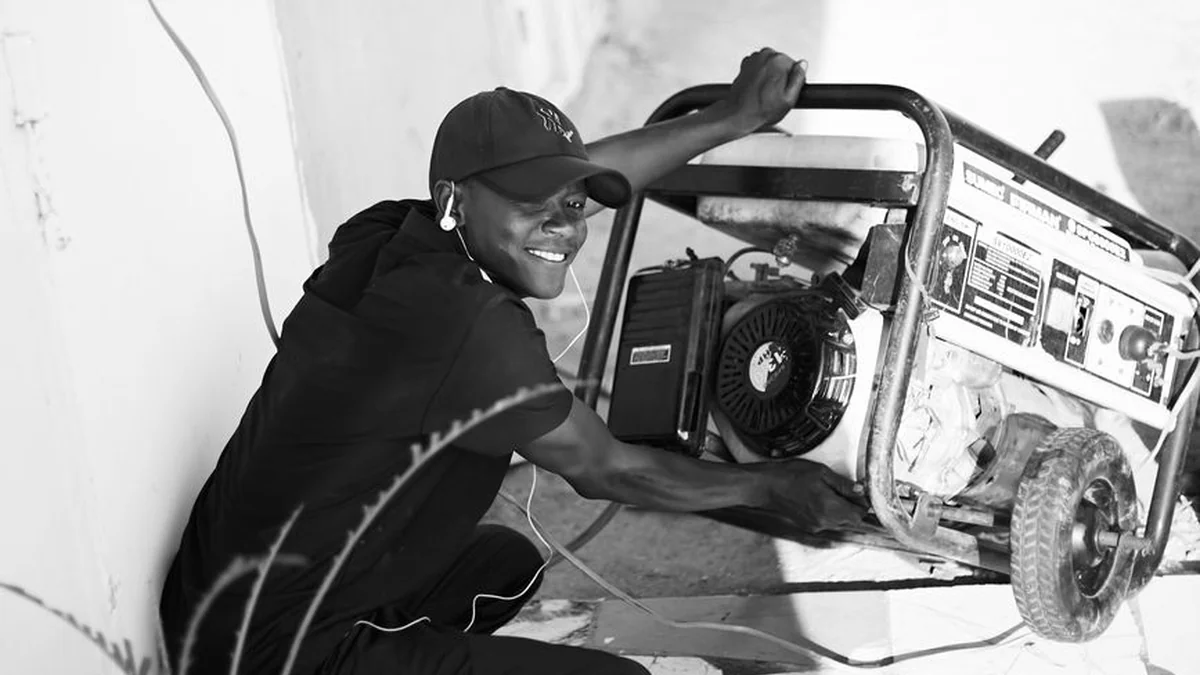
Kelmės Technika’s manager, Albinas Butkus, reported that discussions with village residents and farmers consistently highlight the critical role of backup power systems. For these communities, a power outage represents more than mere darkness; it can disable essential domestic and agricultural functions, including well pumps, heating boilers, and livestock watering equipment. However, according to Butkus, the interest in generators extends beyond the immediate aftermath of severe weather events.
He noted a growing trend of preparedness among residents. As awareness of potential power supply disruptions increases, people are proactively researching autonomous energy sources for their homes, leading to increased inquiries about purchasing generators. Reinforcing this market trend, the commercial officer from Kelmės Technika’s financing partner, GF bankas, advised prospective buyers on making informed decisions.
The bank emphasized that because buyers now have time to thoroughly evaluate their options, they are encouraged to select a generator that precisely matches their unique operational requirements and financial capacity. The focus, therefore, is shifting from emergency response to sustainable household resilience. While generators remain crucial tools for recovery, the current demand reflects a deeper commitment to self-sufficiency.
Experts advise consumers to consider their specific energy needs—whether for basic lighting, running pumps, or sustaining critical agricultural functions—to ensure they purchase the most suitable and cost-effective unit. This careful consideration allows homeowners to invest in reliable power solutions that provide peace of mind, rather than just temporary fixes.
Topics: #generators #not #only