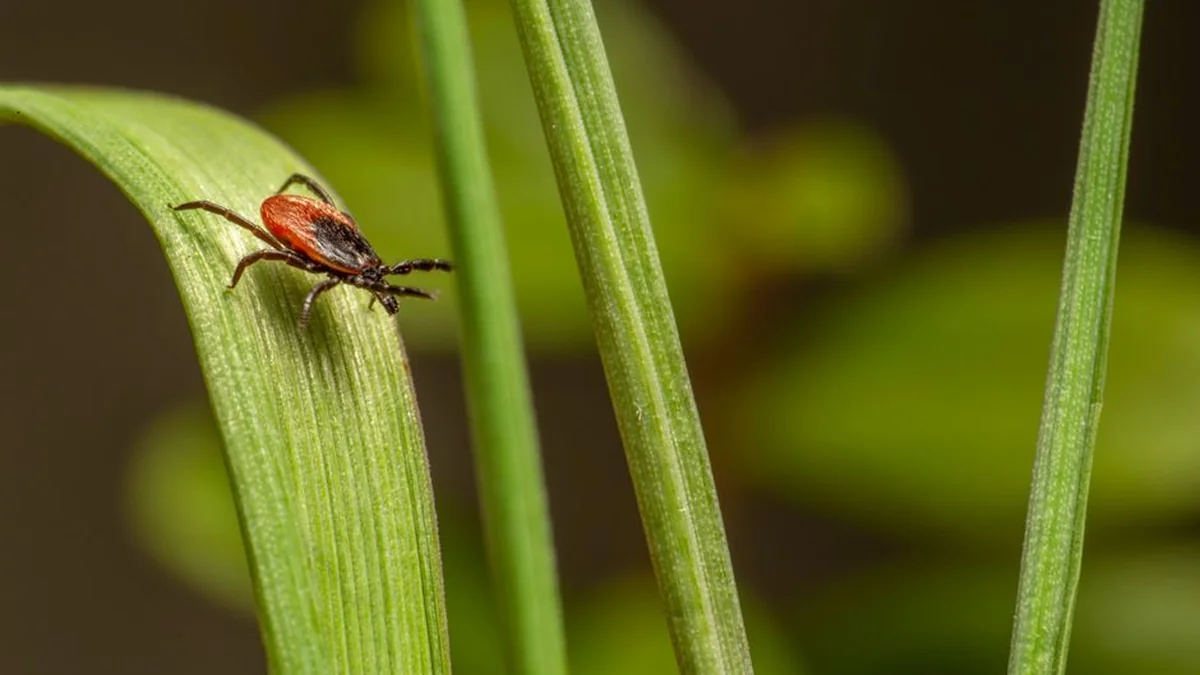
Concerns regarding the incidence of Lyme disease (Borreliosis) and other tick-borne illnesses are escalating across European nations, prompting calls for effective preventative measures. New studies published in the journal Ticks and Tick-borne Diseases suggest that controlling the population of ticks may not necessitate the deployment of complex or expensive technologies. Researchers from the University of Ottawa conducted an experiment to test simpler, more accessible methods.
The study focused on recreational areas near the Canadian capital, an area historically noted for high densities of ticks carrying bacteria responsible for borreliosis. The experimental design involved analyzing two distinct types of oak chips placed along frequently used walking paths. The first group consisted of natural, untreated oak chips, while the second group utilized a material impregnated with deltamethrin, an insecticide commonly used in agricultural settings.
The objective of the research was to determine if these localized treatments could effectively mitigate the risk posed by these vectors. By comparing the efficacy of the natural material against the chemically treated alternative, the study aimed to provide data on practical, scalable interventions. The findings contribute to the ongoing scientific dialogue regarding the management of tick populations and the reduction of human exposure to pathogens transmitted through these arthropods.
This research underscores the potential for low-cost ecological management strategies in combating the spread of tick-borne diseases.
Topics: #ticks #tick #borne