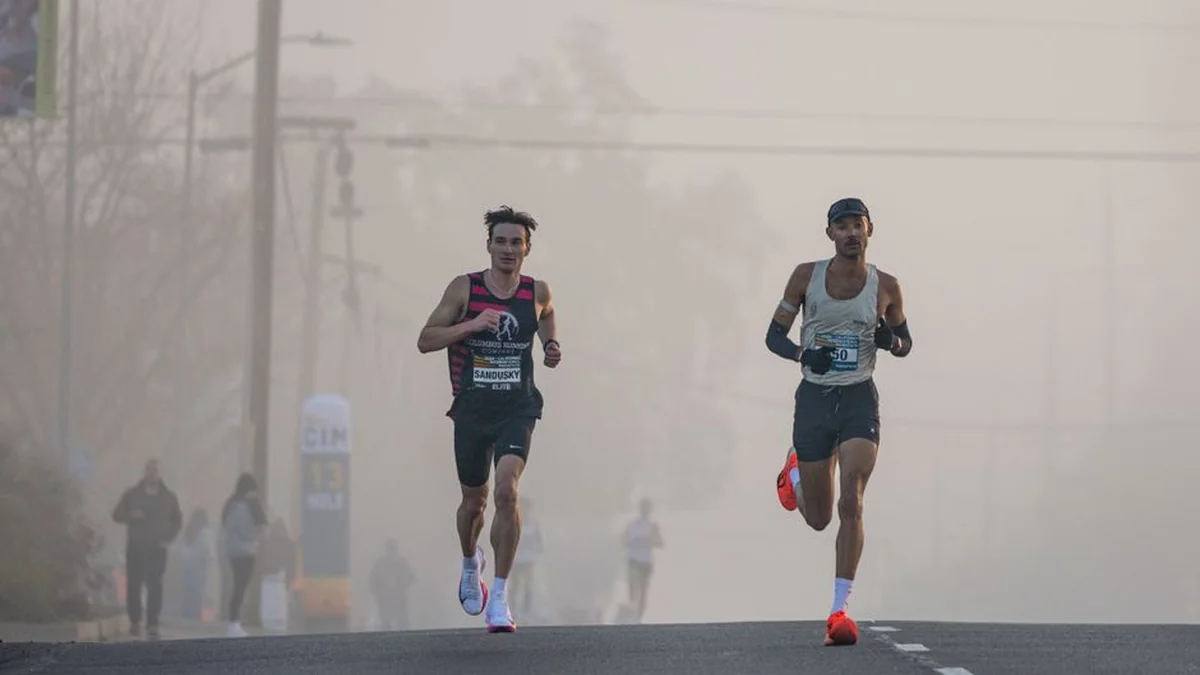
Modern sports science is employing intelligent systems to provide objective performance metrics for short-distance runners, overcoming the limitations of subjective human observation. While a coach can visually assess a runner’s initial acceleration over a short distance, accurately quantifying the precise change in applied force or acceleration moment-by-moment is challenging. These advanced training tools integrate electric drives to precisely control resistance force, coupled with sophisticated sensors.
These sensors continuously record critical data points—including the runner’s instantaneous speed, the magnitude of the force exerted, and the precise distance covered—at rates of hundreds of times per second. The accompanying software processes this raw data into actionable insights for the coaching staff. This technological integration transforms the training session into a controlled experiment, allowing for an objective assessment of the runner’s performance capabilities.
Coaches can precisely calibrate the training load, focusing efforts on specific physiological goals such as maximizing power output, improving maximum speed, or building speed endurance. Furthermore, the most advanced algorithms are capable of identifying signs of fatigue in real-time. This proactive monitoring is crucial, as it helps mitigate the risk of overuse injuries for the athlete.
Ultimately, this level of data analysis provides a quantifiable understanding of the runner’s mechanics and physical capacity throughout the entire training cycle.
Topics: #force #distance #runner