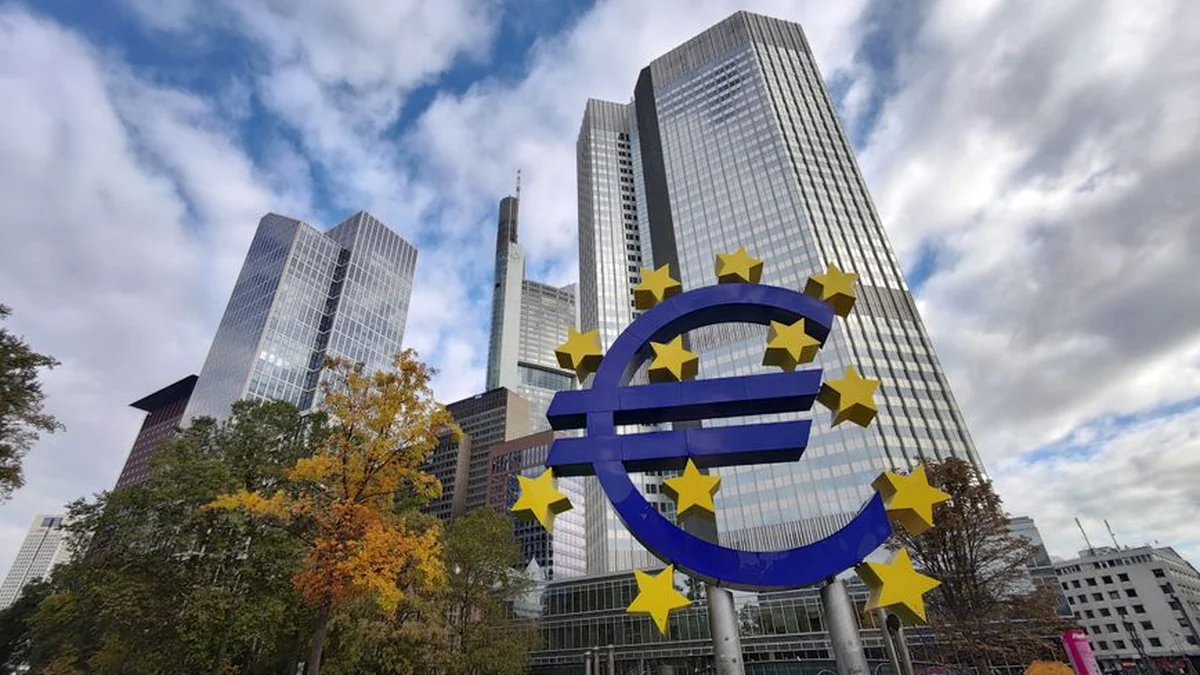
The European Central Bank (ECB) may consider raising its key interest rates in response to renewed inflationary pressures within the eurozone. In May, annual inflation across the eurozone reached 3.2%, marking the highest rate observed since the latter half of 2023. This increase was significantly influenced by escalating energy prices, which are linked to ongoing geopolitical conflicts impacting global markets.
However, analysts note that the ECB’s determination regarding future interest rate adjustments is not based solely on the headline inflation figure. Instead, the structure and composition of inflation are considered far more critical by the central bank. Particular attention is being drawn to core inflation, which excludes volatile components such as energy, food, alcohol, and tobacco prices.
In May, this core inflation indicator stood at 2.5% across the eurozone, representing the highest level recorded since the fall of 2023. This distinction highlights the ECB’s focus on underlying price stability. While overall inflation signals inflationary concern, the sustained reading in core metrics provides a clearer picture of domestic demand pressures.
Consequently, the market is closely monitoring whether the persistent nature of core inflation will compel the ECB to adjust its monetary policy stance by raising interest rates to curb rising price levels across the eurozone economy.
Topics: #eurozone #ecb #interest


Will the ECB really have to hike rates again, or is this just temporary inflation noise?