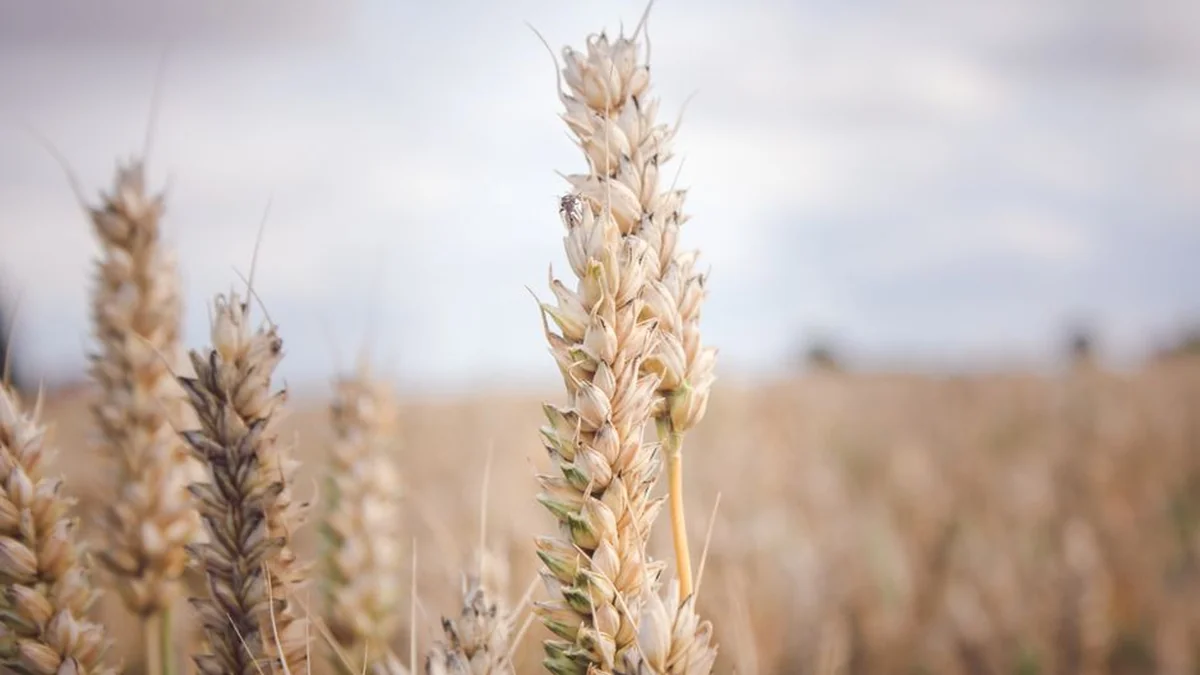
Concerns are mounting within the agricultural sector due to widespread damage affecting current harvests, specifically impacting the quality and value of grain. Buyers are reportedly facing difficulties, with some refusing to accept damaged yields. Experts recently discussed the nature of this crisis—an epidemic of Fusarium disease—and addressed what steps should be taken to prepare for future growing seasons.
Roma Samaškienė, head of the Plant Pathology and Protection Department at the Lithuanian Agricultural and Forestry Sciences Centre (LAMMC), noted that while Fusarium is not an entirely new affliction, the current outbreak presents a significant challenge to Lithuanian farming. Samaškienė stated that the impact extends beyond mere yield loss, severely compromising the quality of the harvested grain. “The situation is causing great concern for both farmers and business.
The losses are already visible when harvesting and storing the crop, because the damage is widespread,” she reported. These discussions, featuring Samaškienė and Arnas Radzevičius, Commercial Director of Agrokoncernas, highlighted the urgent need to understand the root causes of this particular disease outbreak. The conversation focused on mitigating risks associated with contaminated grain supplies.
Furthermore, the experts provided insights into preventative measures, detailing what farmers can implement in preparation for the subsequent growing cycle to better safeguard their crops against recurring pathogens. The analysis underscores the critical link between timely pathological assessment and maintaining the economic viability of the grain sector.
Topics: #disease #grain #what