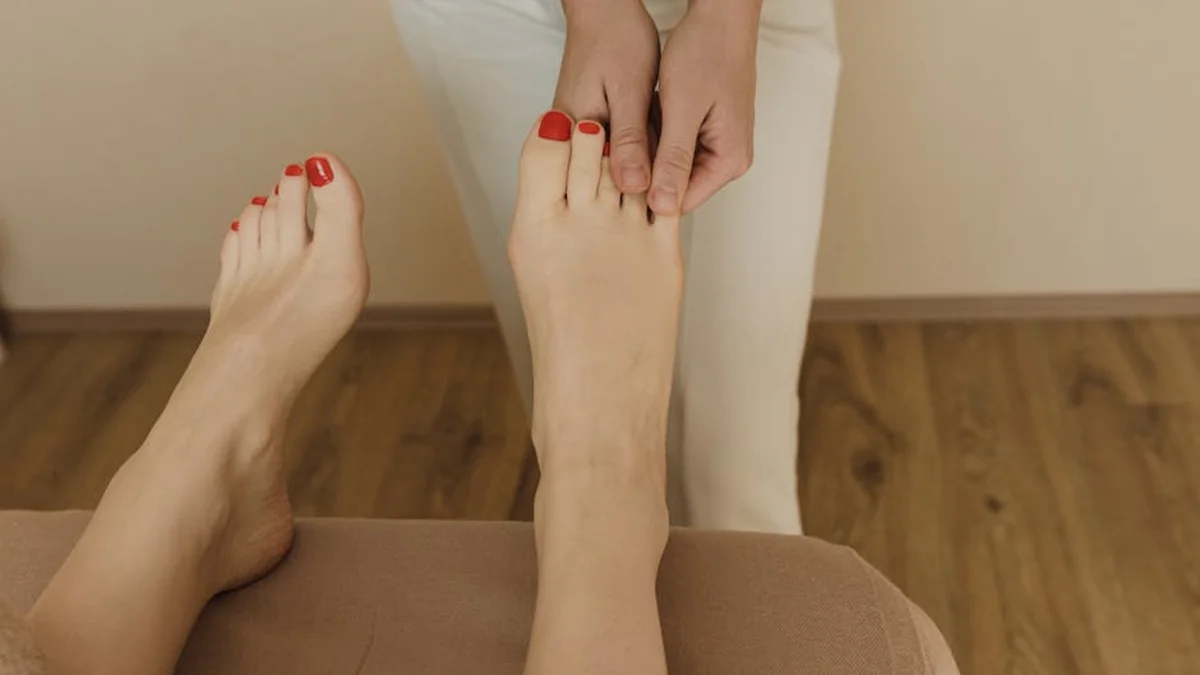
During a recent discussion on the lifestyle podcast, “In the Margins of Life,” scientist Edita Kondrotienė and orthopedic-traumatologist Gintautas Pocius addressed the condition known as hallux valgus, covering its causes, necessary treatments, and rehabilitation strategies. Dr. Pocius clarified a common misconception regarding the condition.
He noted that hallux valgus is not the result of newly formed bone growth. Instead, the condition is defined as a deviation of the great toe accompanied by structural changes affecting the bones and soft tissues of the foot. This resulting deformation can lead to significant functional issues, including friction within footwear, chronic pain, inflammation, and alterations in the foot’s natural support system, which can impede the wearer’s ability to use previously comfortable shoes.
Furthermore, the specialist highlighted a notable gender disparity in diagnoses. Women are reported to be diagnosed with hallux valgus significantly more often than men. This increased prevalence is attributed to a combination of factors, including hereditary predisposition, natural hormonal fluctuations, and the use of specific medications.
The expert guidance provided emphasized that understanding the underlying pathology—rather than viewing it as a simple structural defect—is crucial for effective management. Treatment and rehabilitation protocols are designed to address the mechanical strain and inflammatory response associated with the toe deviation, aiming to restore foot function and alleviate discomfort.
Topics: #not #hallux #valgus