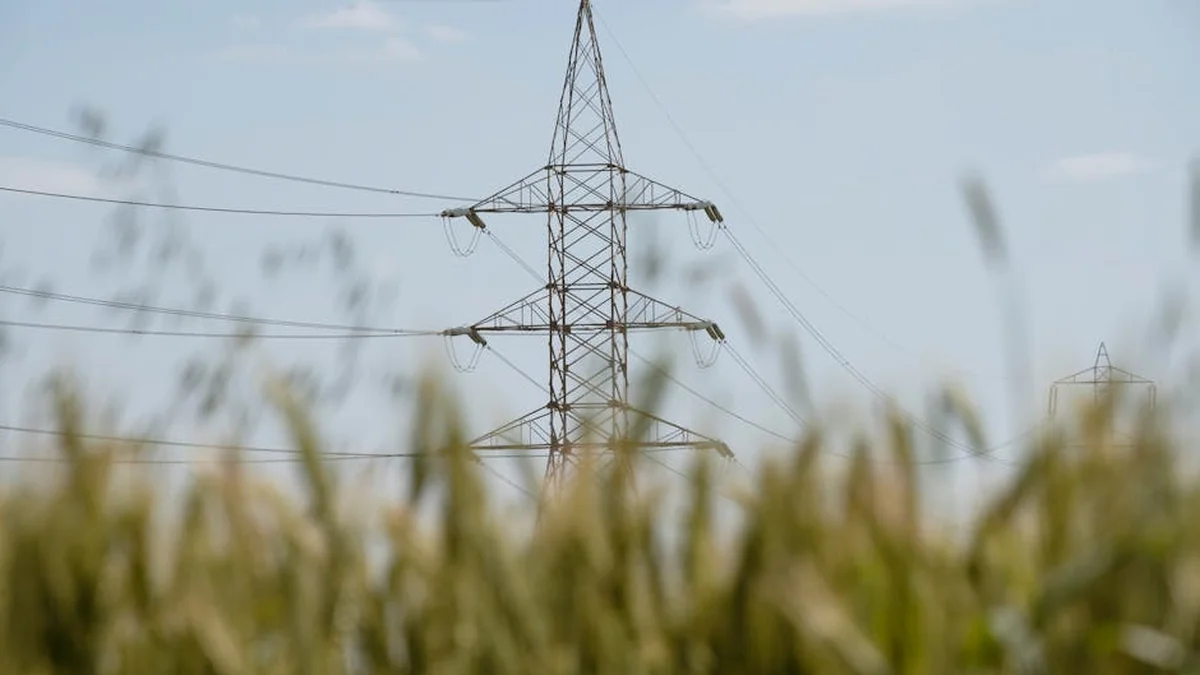
According to the company, the recent increase in electricity prices was attributed to a combination of factors, including scheduled repairs to cross-border electricity connections. Furthermore, the current power generation mix was impacted by dry weather, which reduced hydroelectric output, alongside lower levels of wind power generation, all while electricity consumption remained at a high level. M.
Kavaliauskas stated that the determination of Lithuania’s electricity price is not solely dependent on domestic production and consumption levels. He noted that the broader regional situation and the capacity of interconnections significantly influence the market. He explained that in the Nordic countries, declining hydroelectric and wind power capacities, coupled with sustained high demand, contribute to rising wholesale power prices across the Baltic nations, a trend observed in May.
Analyzing the recent market activity, the average electricity price recorded in May was higher compared to historical benchmarks. Specifically, the price exceeded both the level recorded in May 2024, which stood at 75.85 euros per MWh, and the price from May 2023, which was 78.02 euros per MWh. These fluctuations underscore the interplay between regional power supply constraints, infrastructure maintenance, and fluctuating demand patterns affecting the overall cost of electricity.
Topics: #electricity #power #price



Electricity prices are not expected to revert to previous levels, a situation attributed by the company to several factors. These factors include necessary scheduled repairs on cross-border electricit
What measures are being implemented to stabilize prices and mitigate future increases beyond the current repair and weather impacts?