Data from the European Commission’s Eurostat indicates that in 2023, households were responsible for 53% of total food waste, with the average individual generating approximately 69 kilograms of food waste annually. Given this significant waste stream, attention during seasonal harvests must extend beyond consumption amounts to include proper storage methods. A common oversight in household food management is storing all produce together in a single refrigerator drawer.
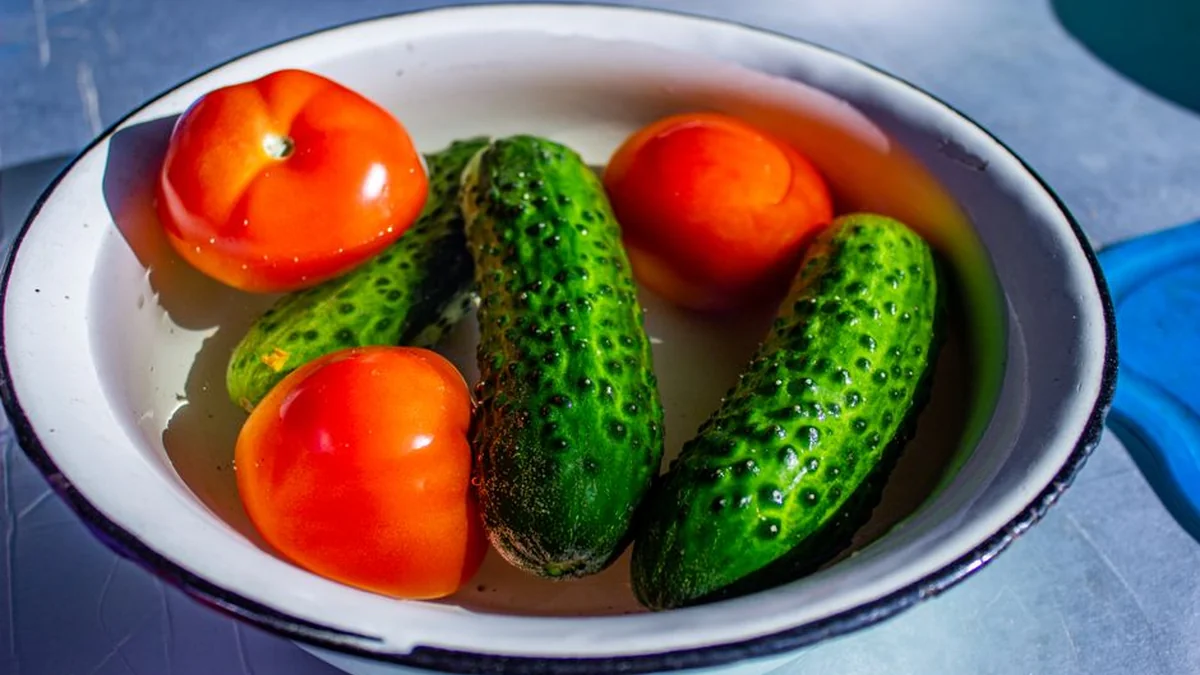
Experts advise separating items, such as keeping tomatoes distinct from cucumbers. This separation is crucial because many fruits and vegetables continue the ripening process even after being picked. This ongoing maturation is often accelerated by the release of ethylene, a natural plant hormone.
Several common items, including apples, pears, bananas, peaches, plums, and tomatoes, are known sources of ethylene gas. This hormone can negatively affect the quality and shelf life of other nearby produce. Certain items are particularly susceptible to ethylene exposure, meaning that improper storage can lead to premature spoilage of the entire batch of food.
To maximize the longevity of harvested goods, understanding which items emit ethylene and which are sensitive to it is essential for minimizing household food waste.
Topics: #food #tomatoes #cucumbers