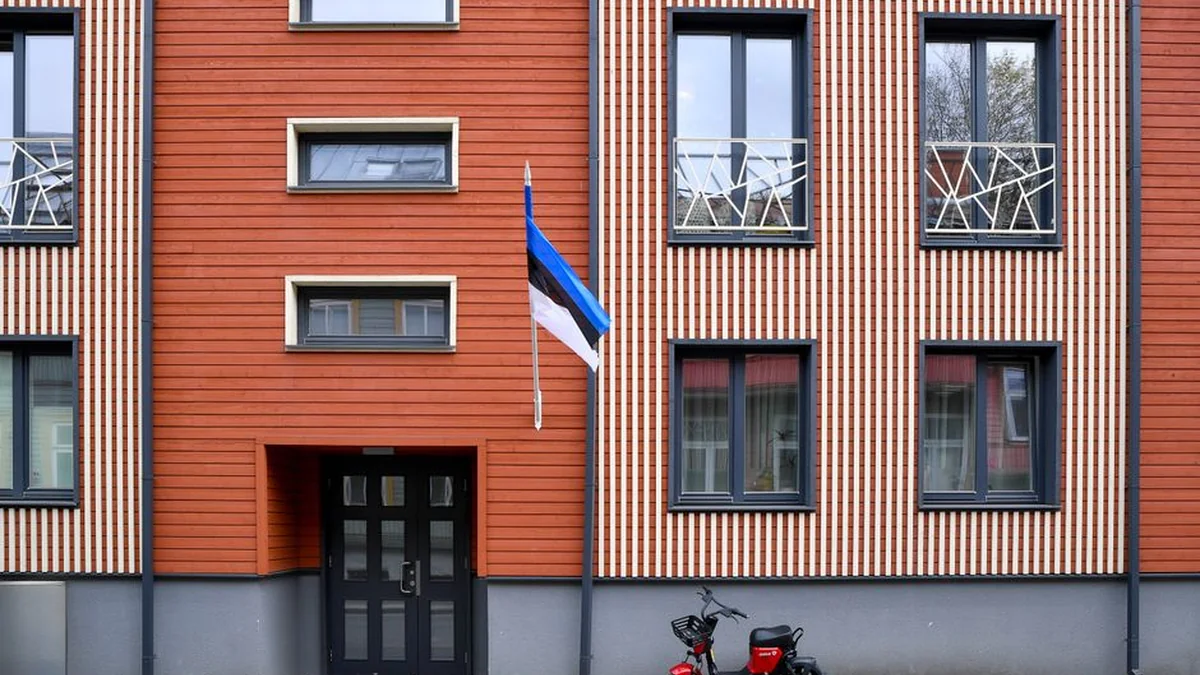
A recent study conducted by the State Commission for Cultural Heritage has highlighted significant concerns regarding the preservation status of architectural assets. The commission’s findings indicate a disparity in maintenance levels across various properties. Specifically, estate complexes owned by the state or municipality are reported to be the best maintained and have undergone necessary upgrades.
In stark contrast, the condition of most wooden architectural buildings, manor houses, and associated farm-house components is assessed as poor to very poor. The authors of the study caution that this collective cultural heritage is approaching a critical threshold of extinction. A major systemic challenge identified is the absence of systematic scientific research pertaining to the cultural heritage value of real estate.
According to heritage conservation experts, this research gap prevents the accurate categorization of the country’s manors according to their specific value levels. Consequently, developing tailored and effective management strategies for these properties remains a significant obstacle to ensuring continuous protection policies for state manor houses. Despite these overarching concerns, efforts to revitalize local history are evident.
For instance, in Panevėžys, the revival of historical assets was marked by the presentation of a restored steam locomotive named “Nedif.” The findings underscore a critical need for comprehensive scientific assessment to guide future conservation efforts and safeguard the nation’s architectural patrimony.
Topics: #heritage #study #most