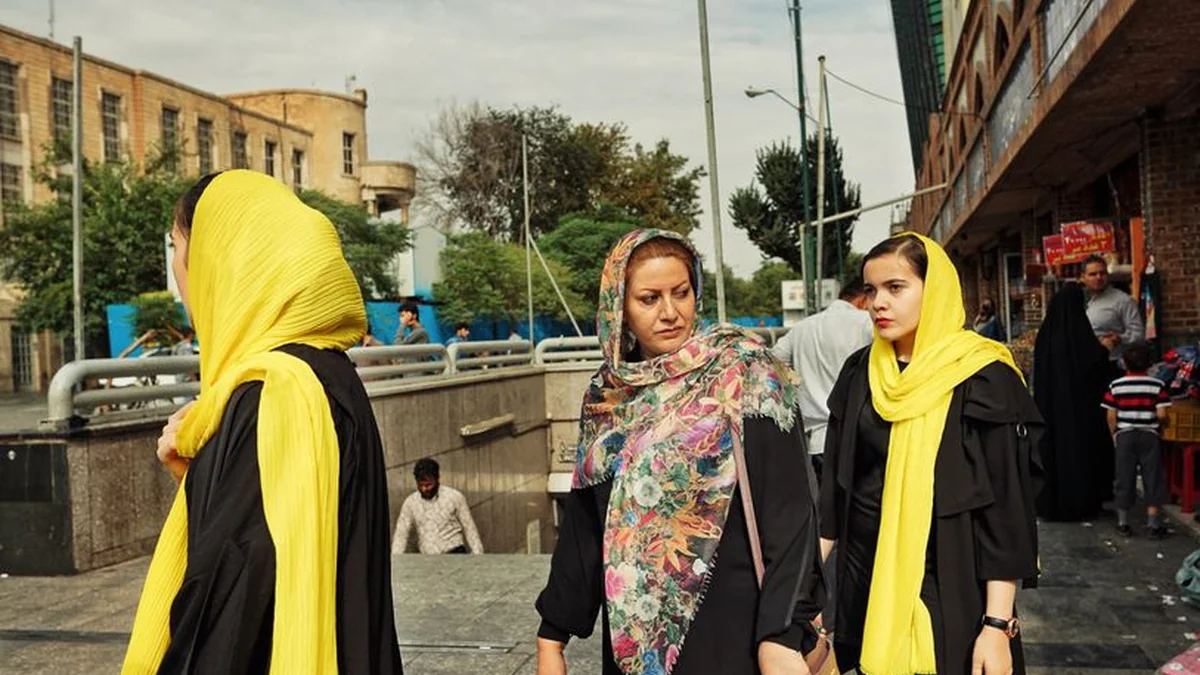
Reports from the Independent Persian newspaper detail the varied sentiments among residents across Iranian cities following the conclusion of a 39-day conflict via diplomatic negotiations. Despite the cessation of fighting, the core governmental structure in Tehran appears unaltered, while the influence of the Islamic Revolutionary Guard Corps (IRGC) has reportedly expanded. Furthermore, the general populace in Iran continues to grapple with significant economic difficulties, damaged residences, unemployment, and recent reports of new executions.
A major source of public anger, according to reports, stems from the perceived gap between the rhetoric used at the outset of the conflict and the final negotiated settlement. This internal unrest follows periods of violent protests earlier this year. Contextually, the situation involves international dimensions.
Donald Trump has repeatedly framed his stance as defending the Iranian people, asserting that over 40,000 lives were lost and that US military intervention was intended to dismantle the Islamic Republic’s rule. Subsequently, both the US and Iran reached an agreement to halt hostilities and plan for future engagement. Despite the diplomatic agreements, the atmosphere on the streets remains volatile.
The combination of persistent economic strain and the perceived lack of substantive change within the political system has fueled deep dissatisfaction throughout Iran.
Topics: #anger #iran #streets